

Hanson Home Improvement: Siding and Roofing Material Comparison sets the stage for this enthralling narrative, offering readers a glimpse into a story that is rich in detail with casual formal language style and brimming with originality from the outset.
In this comprehensive comparison, we delve into the world of siding and roofing materials, exploring their durability, maintenance requirements, cost differences, energy efficiency, aesthetics, environmental impact, and sustainability.
Siding Materials Comparison
Vinyl siding and fiber cement siding are both popular choices for homeowners looking for durable siding options. While vinyl siding is known for its low maintenance and resistance to rot and pests, fiber cement siding is even more durable and can withstand harsh weather conditions better.Wood siding requires regular maintenance such as painting or staining to protect it from moisture and insects, while aluminum siding is virtually maintenance-free. However, aluminum siding is prone to dents and scratches compared to wood siding.Engineered wood siding tends to be more expensive upfront compared to stucco siding. However, stucco siding requires frequent repainting to maintain its appearance, while engineered wood siding is more resistant to rot and pests, reducing long-term maintenance costs.Roofing Materials Comparison
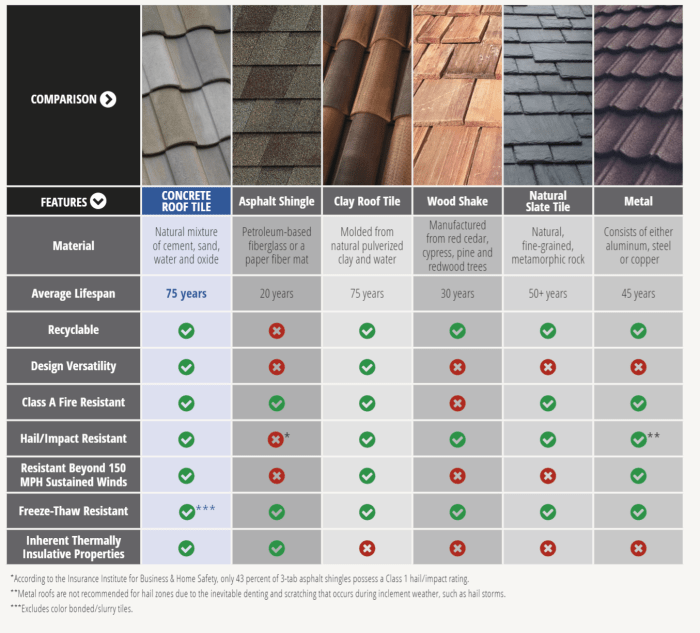 When it comes to roofing materials, different options offer varying levels of energy efficiency, installation processes, and longevity. Let's explore how asphalt shingles, metal roofing, clay tiles, composite shingles, slate roofing, and rubber roofing compare in these aspects.
Energy Efficiency: Asphalt Shingles vs. Metal Roofing
- Asphalt shingles are known for their moderate energy efficiency, providing some insulation for the home. However, they can absorb heat, leading to increased cooling costs in warmer climates.
- Metal roofing, on the other hand, reflects sunlight and heat, helping to keep the home cooler and reduce energy consumption for cooling. This makes metal roofing a more energy-efficient option compared to asphalt shingles.
Installation Process: Clay Tiles vs. Composite Shingles
- Clay tiles require a more labor-intensive installation process due to their weight and fragility. Proper support structures must be in place to accommodate the tiles.
- Composite shingles, made from a mixture of materials like fiberglass, asphalt, and recycled paper, are lighter and easier to install. They can be installed more quickly, saving time and labor costs compared to clay tiles.
Longevity: Slate Roofing vs. Rubber Roofing
- Slate roofing is renowned for its exceptional longevity, with a lifespan of up to 100 years or more when properly maintained. This makes it a durable investment that can outlast many other roofing materials.
- On the other hand, rubber roofing, often made from synthetic materials like EPDM, has a lifespan of around 40-50 years. While rubber roofing is more affordable, it may need to be replaced sooner than slate roofing, impacting long-term costs.
Aesthetics and Design Considerations
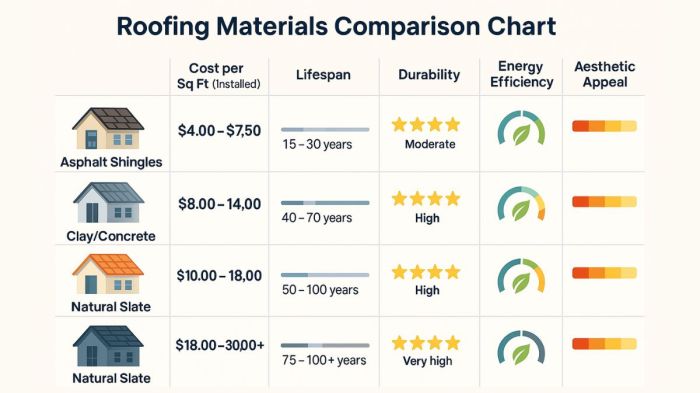
When it comes to the exterior of a home, aesthetics play a crucial role in creating a welcoming and visually appealing look. The choice of siding and roofing materials can greatly impact the overall curb appeal of a house, enhancing its design and style.
Both siding and roofing materials come in a wide range of colors, textures, and styles, offering homeowners the opportunity to customize the look of their home to suit their preferences and architectural style
Impact of Siding Materials on Curb Appeal
- Vinyl siding: Offers a versatile range of colors and textures, providing a clean and modern look to a home.
- Wood siding: Adds a warm and natural touch to a house, creating a rustic and traditional aesthetic.
- Fiber cement siding: Mimics the look of wood or stucco with a more durable and low-maintenance finish.
Visual Impact of Roofing Materials
- Asphalt shingles: Available in a variety of colors and styles, offering a classic and versatile option for roofing.
- Metal roofing: Provides a modern and sleek appearance, with options for different finishes like standing seam or corrugated.
- Tile roofing: Adds a luxurious and elegant look to a home, with a range of colors and textures to choose from.
Complementary Exterior Design with Siding and Roofing Materials
Choosing complementary siding and roofing materials can enhance the overall exterior design of a home, creating a cohesive and harmonious look. For example, pairing a neutral vinyl siding with a dark metal roof can create a striking contrast, while combining wood siding with a tile roof can evoke a more traditional and elegant aesthetic.
Environmental Impact and Sustainability
When it comes to home improvement projects, considering the environmental impact and sustainability of the materials used is crucial in creating a greener living space. By choosing sustainable siding and roofing options, you not only reduce your carbon footprint but also contribute to a healthier planet for future generations.Recycled Siding Materials
Using recycled siding materials such as vinyl or reclaimed wood can significantly reduce the environmental impact of your home improvement project. Recycled vinyl siding, for example, helps to divert plastic waste from landfills and reduces the need for virgin materials. Reclaimed wood siding not only adds a unique aesthetic to your home but also helps preserve forests by repurposing existing wood.Recyclability of Roofing Materials
Roofing materials like metal or asphalt shingles vary in their recyclability. Metal roofing is highly recyclable and can be repurposed into new products at the end of its lifespan. On the other hand, asphalt shingles are less recyclable due to the complexity of separating the materials. However, advancements in technology have made recycling asphalt shingles more feasible, reducing the amount of waste sent to landfills.Benefits of Sustainable Options
Choosing sustainable siding and roofing options not only benefits the environment but also offers long-term advantages for homeowners. Sustainable materials are often more durable, require less maintenance, and can improve energy efficiency in your home. By investing in eco-friendly materials, you are making a positive impact on the environment while enjoying the benefits of a greener home.Concluding Remarks
As we conclude our exploration of Hanson Home Improvement: Siding and Roofing Material Comparison, it becomes evident that the choice of materials for your home's exterior plays a pivotal role in its overall look, feel, and environmental footprint. Whether you prioritize durability, aesthetics, or sustainability, this comparison serves as a valuable guide to help you make informed decisions for your next home improvement project.
Top FAQs
What are the maintenance requirements of wood siding compared to aluminum siding?
Wood siding typically requires more maintenance in terms of painting and sealing to prevent rot and decay, while aluminum siding is relatively low maintenance and only requires occasional cleaning.
How can different siding materials impact the overall curb appeal of a home?
Siding materials like fiber cement can enhance a home's curb appeal with their modern look, while wood siding can provide a more rustic charm. The choice of siding material can significantly influence the aesthetic appeal of a home.
Are clay tiles more energy efficient than composite shingles?
Clay tiles are known for their energy efficiency as they provide natural insulation, while composite shingles may require additional insulation to achieve similar energy efficiency levels.
How does choosing sustainable siding and roofing options contribute to a greener home improvement project?
Opting for sustainable materials like recycled vinyl or metal roofing can reduce environmental impact by minimizing waste and promoting eco-friendly practices in construction.